
TEMPERED GLASS
What is Tempered Glass
Features & Benefits
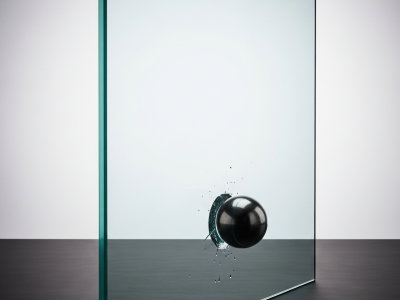
Strong
Toughened glass is 4-5 times stronger than normal annealed glass.
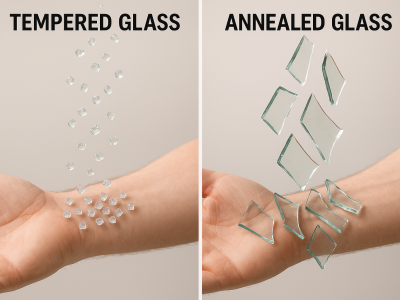
Safe
Breaks into small, relatively harmless fragments. This reduces the likelihood of injury as there are no jagged edges or sharp corners.
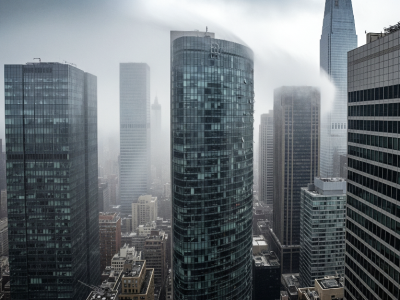
High Wind Loads
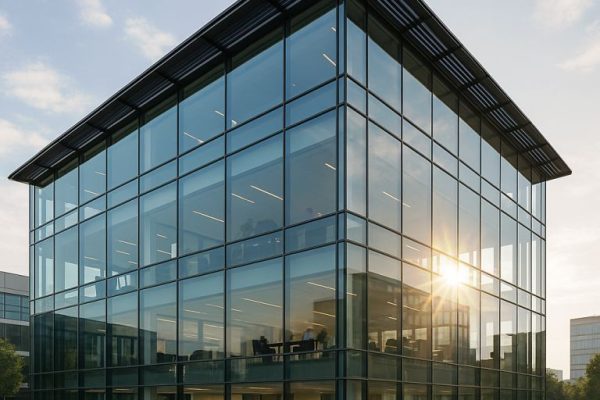
Used in building facades as it have the ability to withstand heavy wind loads.
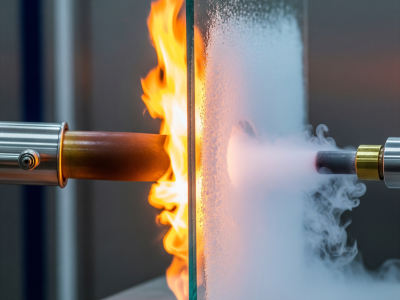
High Thermal Shock Strength
Ability to withstand high temperature variations upto 250°c.
Size & Specification Options
- Available in 3, 4, 5, 6, 8, 10, 12, 15, 19 mm thickness
- Maximum Size:- 2400 X 4800
- Minimum Size:- 220 mm diagonal
- Bent Toughened Glass:- Maximum Size 500 (height) X 1100 (width) mm, 800 mm minimum radius and thickness ranges between 5 mm to 12 mm
The GSC Advantage
- First in Architectural glass in India with over 30 years of experience in glass processing.
- Processing in Greater Noida
- Flat as well as bend glass possible.
- Best quality glass exported worldwide including Europe.
- Most advanced tempering line capable of processing of most difficult Low-E glasses.
- Best optics and least distortion.
- Strongest possible glass.
Toughened Glass Vs Heat Strengthened Vs Annealed Glass
| Properties | Tempered Glass | Heat Strengthened Glass | Annealed Glass |
|---|---|---|---|
| Thermal Stress Resistance | Up to 250 °C | Up to 130 °C | Up to 50 °C |
| Strength | 4× stronger than annealed | 2× stronger than annealed | Not strong |
| Bending Strength | 120–200 N/mm² | 60–100 N/mm² | ~40 N/mm² |
| Design Stress | 50 MPa | 27 MPa | 17 MPa |
| Surface Compression | >10,000 psi (69 MPa) | 3,500–7,500 psi (24–52 MPa) | Up to 2,800 psi (19 MPa) |
| Safety Rating | ✅ Approved as safety glazing | ❌ Not approved as safety glazing | ❌ Not approved as safety glazing |
| Site Alterations | ❌ Not possible | ❌ Not possible | ✅ Possible |
| Flatness | Slight bow and corrugation | Less bow/corrugation than tempered | Very flat |
| Optical Quality | Reasonably good | Good (better than tempered) | Very good |
| Lamination Requirement | Min 1.52 mm PVB | Min 1.52 mm PVB | Min 0.38 mm PVB |
| NiS Breakage Risk | Prone | Extremely rare | Non-existent |
| Heat Soaking Requirement | Recommended | Not necessary | Not required |
Various Applications of Tempered Glass
Tempered Glass – Frequently Asked Questions (FAQs)
Tempered glass is a type of safety glass that is processed by controlled thermal or chemical treatments to increase its strength compared to normal (annealed) glass. It is heated to over 600°C and then rapidly cooled, making it 4–5 times stronger and safer. Tempered glass is being used increasingly in architecture because of its strength and safety properties. It is usually installed in areas where safety glass is required to reduce the possibility of mechanical or thermal breakage and/ or to assure greater uniform load strength. Worldwide the use of Tempered glass or Safety glass in general has been mandated by building codes. These codes are also made for India and are in the process of being mandated.
Tempered glass is used in a wide range of applications including: Glass doors and facades Shower cabins Furniture tops Oven doors and cooktops Automotive windows Public transportation panels.