

LAMINATED GLASS
What is Laminated Glass
Features & Benefits

Safety
Laminated glass doesn’t shatter like ordinary glass. It absorbs impact, resists penetration and remains in glazing even if broken.
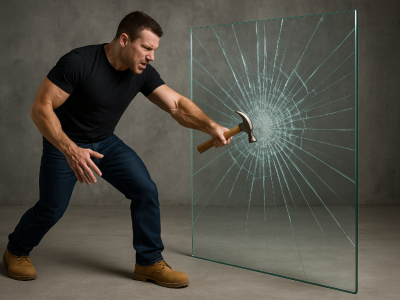
Security
Laminated glass resists intrusion because the inter layer continues to safeguard the building even after the glass itself is broken.
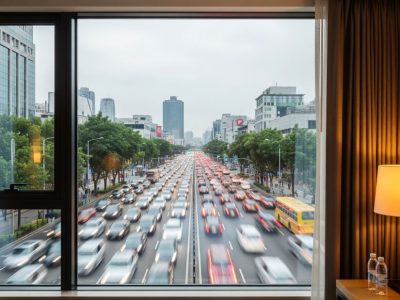
Sound Reduction
Laminated glass is an excellent barrier to noise. The sheer damping performance of the plastic inter layer make the laminated glass an effective sound control product.

UV Control
Laminated glass screens out 99% of the sun’s damaging rays, protecting interior furnishing, displays or merchandise from fading effects of UV radiation.
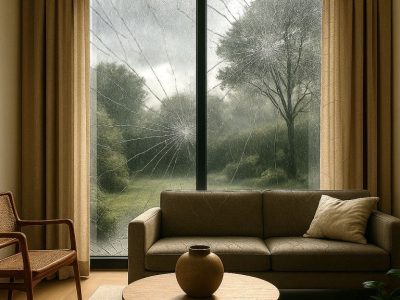
Reliable Safety in Natural Disasters
Laminated glass stays intact even when cracked, reducing injury risk during earthquakes. Its strong interlayer also resists wind and debris, offering added protection in storms.
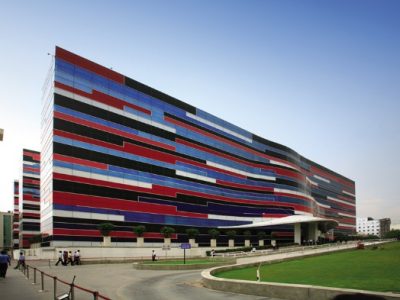
Color Lamination
Laminated Glass also have color inter-layer options

Size & Specification Options
- Sizes upto 2700 X 5000 mm.
- A full range of clear, tinted and reflective glass combinations and thickness.
- Clear PVB of 0.38mm, 0.76mm and multiples of 0.38 mm thickness.
- Colored PVB on special bulk orders.
- Diverse glass combinations available in single and double glazing.
The GSC Advantage
- First in Architectural Laminated Glass in India with over 30 years of experience in glass processing. Processing in Greater Noida.
- Best quality glass exported worldwide including Europe.
- Vast experience in making Laminated glass and complex combinations.
- Perfect edge match. Using German grinding technology.
- Matching of holes on CNC.
- Automatic production lines for fast and accurate delivery.
- Under the quality certification program DuPont and processing as per international standards like EN and DIN.
- Only best quality European PVB form Trosifol and DuPont used.
Various Applications of Laminated Glass
Laminated Glass – Frequently Asked Questions (FAQs)
The sandwiches are then stacked in a high pressure autoclave where PVB is cured under high pressure and temperature as per heat pressure cycle chart. The entire processing is done with computerized state of the art machine and technical assistance of M/s. Scholz of Germany and DuPont of USA. All basic products, heat strengthened glass and toughened glass can be laminated.
- SGP (SentryGlass) inter-layer.
Color PVB. etc
Yes, we can laminate tempered/toughened glass.
- In sloped glazing, the added weight of laminated glass must be taken into consideration when determining load limits and installation techniques.
- The edges of a laminated lite must not be exposed to any prolonged contact with moisture.
- Consideration must be given to the use of weep holes or other alternate glazing procedures to assure a dry framing cavity.
- Edge delamination is possible in silicone structural glazing applications if precautions are not taken. U-values may vary by a small amount.
- Laminated glass is made by joining two or more sheets of glass with a plastic medium, mostly PVB, between the sheets. PVB itself adheres well to glass.
- Laminating can also be done with certain resins. Some suppliers use PVC instead of PVB or use cheap resins, which are difficult to make out at the time of supply but these materials will most certainly discolor and delaminate in a short period and such glasses will have to be changed.
No, Laminated glass is not good for heat reduction.